Introduction
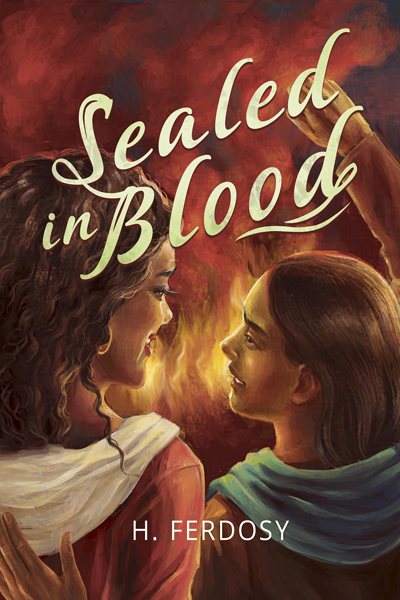
The story follows two Iranian women named Ghazal and Sepideh.
Ghazal is a gifted computer science student who’s trapped under her father’s iron control and traditional world view. He’s not above corporal punishment and even putting on makeup is a crime at home.
Sepideh is a bold social media influencer who refuses to bow to anyone. She lives loud, fearless, and free. Her family is more liberal and pretty much leave her to lead the life she wants.
When Ghazal and Sepideh meet at a wedding, things start to get complicated. What begins as friendship ignites into something much more, which exposes them to Ghazal’s father’s fury and places them on the wrong side of the law.
The length of the book is 73500 words.
Pronunciation Guide
Click on each name below to hear the pronunciation. For characters, there’s also personality / voice pointers next to their names.
Characters
- Bahram: Serious, mature.
- Cyrus the Greatest: gentle, smart, eloquent, sounds like Randall Park.
- DJ Amir: Friendly, kind, outgoing. Speaks confidently and kind fast.
- Dowlati (Mr.): nosy, creepy, condescending.
- Farzad: (has no dialog)
- Ghazal Ghaffari: shy, quiet, but secretly passionate (can suddenly burst with energy if she gets excited in comfortable company). Inside her head, she’s snarky.
- Ghazal’s dad (Hamid): rough, angry, authoritative.
- Ghazal’s mom: motherly, submissive, speaks slowly and quietly.
- Ehsan Fakhrabadi: arrogant, know-it-all, acts charming.
- Elmira Khodaverdi: no-nonsense, confrontational, strong.
- Kawan Mohseni: gentle, warm, kind. We can use British accent for him.
- Kawan’s mom: Reserved, warm. We can use British accent for her too.
- Matin: Pain in the ass, loves pulling Ghazal’s leg, confident.
- Maryam (Ghazal’s aunt): (has no dialog)
- Mohammad: condescending, speaks with street accent.
- Seyyed Mohsen Fakhrabadi: calm, calculating, a psychopath.
- Omid: (has no dialog)
- Parisa: self-centered, mean girl energy.
- Pouyan Sabet: arrogant, self-serving, confident, takes nothing seriously.
- Razieh: (has no dialog)
- Sepideh Namdarian: smart, confident, full of energy, dominant personality.
- Sepideh’s dad: wants to sound authoritative, but he’s just a teddy bear.
- Sepideh’s mom: intelligent, sophisticated, kind.
- Shopkeeper (where they find shelter): rough exterior, heart of gold, hoarse voice.
Locations
- Enghelab
- Milad (Tower)
- Taleghani (Hospital)
- Theatr-e Shahr
- Vali-e Asr
Persian Calendar Months
Miscellaneous
Acknowledgments
- Elham Modaressi
- Fatemeh Khoshrou
- Hadis Najafi
- Kosar Eftekhari
- Sadaf Baghbani
- Yalda Aghafazli
- Azadeh Afsahi
- Shahrzad Orang
- Majid Hatamian